ఎందుకు పారేస్తాను నాన్నా: కథ నచ్చిన కారణం
కథ: ఎందుకు పారేస్తాను నాన్నా
రచయిత: చాసో (చాగంటి సోమయాజులు)
రచనాకాలం: 1944.
చాసో 1944లో రాసిన ఈ కథని మొదటిసారి దాదాపు నలభై ఏళ్ళ క్రితం చదివాను. ఆ తర్వాత మరెన్నో సార్లు చదివాను. గొప్ప కథలెన్నో ఉన్న తెలుగులో ఈ కథ బహు గొప్ప కథ అని నేను నమ్ముతాను.
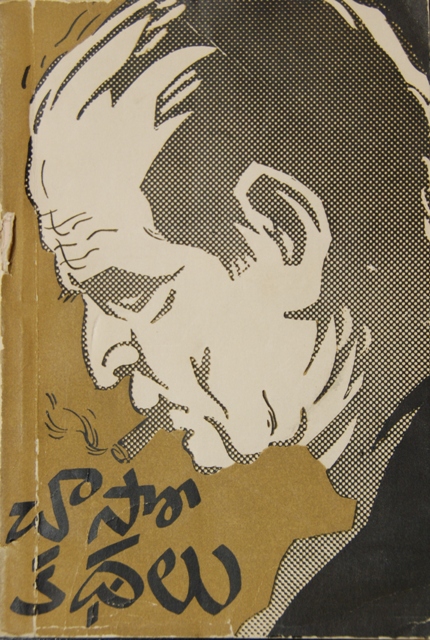
చాసో రాసిన ఈ చిన్ని కథలో ఎన్నెన్ని అందాలో! చదువంటే పడిచచ్చే తెలివైన పేద కృష్ణుడు, వాణ్ణి ప్రేమించే తల్లీ తండ్రీ, వాడితో చదువులో పోటీ పడే శకుంతలా, వాడి ఇతర నేస్తాలూ, పిల్లల మధ్య పోటీలూ, ఆప్యాయతలూ, ఆ రోజుల్లో హైస్కూల్ చదువులూ అన్నీ వివరంగా కళ్ళకు కట్టినట్టు కనిపిస్తాయి - ఈ రెండు పేజీల చిన్న కథలో. ఈ కథలో ముఖ్యపాత్ర కృష్ణుడు. కథలో విలన్ లేడు, కృష్ణుడి బీదరికం తప్ప. ఆ బీదతనం గురించి అరుపులూ కేకలూ లేవు. ఇది రాజకీయాలు ప్రచారం చేయడానికి రాసిన కథ కాదు. అయినా సమాజాన్ని గురించి ఆలోచింపచేస్తుంది. దీన్లో కన్నవాళ్ళ ప్రేమ గురించి పేరాలు పేరాలుగా రాయలేదు. అయినా మనకు ఆ ప్రేమ గురించి స్పష్టంగా తెలుస్తుంది. డబ్బు, తెలివితేటలు, అవకాశాలు, అవరోధాలు అన్నింటినీ రచయిత ఈ కథలో మనకు చూపిస్తాడు. చర్చించడు. వేరే చర్చేమీ అవసరం లేదు.
కుంచెనీ, రంగుల్నీ చాలా మితంగా ఉపయోగిస్తూనే, విస్తృత దృశ్యాలను చూపగల్గిన చిత్రకారుని చాతుర్యముంది ఈ కథలో. బహు తక్కువ మాటలతో బలమైన భావాలను స్ఫురింప జేయగలడీ రచయిత. “కొడుకు బాధంతా తండ్రికి బోధ పడ్డది. కొడుకు బాధంతా తండ్రి పడ్డాడు.” రెండే వాక్యాలు. అంతకన్నా అక్కర్లేదు ఈ రచయితకి వాళ్ళిద్దరి బాధ, బాంధవ్యమూ చూపి ఆ బాధంతా మనమూ పడేట్లు చేయడానికి. హవానా పేంటేసుకున్నా, డబ్బున్న నరసింహం స్కూల్లో మాత్రం చిరుగు బట్టల కృష్ణుడి ముందు దిగదుడుపే. అయితేనేం, నరసింహం బళ్ళో చేరేడు. కృష్ణుడి పేరు ముందు ‘డిస్కంటిన్యూడ్’ అని రాయబోతున్నారు. ఆ అన్యాయాన్ని తలచుకుంటే కోపం రాదూ?
ఈ రచయిత ప్రతిభ అన్నింటికన్నా ఎక్కువ వ్యక్తం అయ్యేది ఈ కథకు ఆయువుపట్టు, కథ శీర్షిక, ఆఖరు పంక్తి అయిన “ఎందుకు పారేస్తాను నాన్నా?” అన్న కృష్ణుడి ప్రశ్నలో. అవును, ఎందుకు పారేస్తాడు వాడు? వాడేమన్నా తెలివి తక్కువ వాడా, బాధ్యత తెలీనివాడా, డబ్బు విలువ గ్రహించని వాడా? ఎందుకు పారేస్తాడు? చచ్చినా పారేయడు. ఈ కథ చదివాక గుండె బరువెక్కకుండా ఎట్లా ఉంటుంది? కళ్ళల్లో నీళ్ళు తిరిగితే ఆశ్చర్యమేముంటుంది?
ఈ కథ రాసిన చాసో ఇప్పుడిక లేడు. ఇంతటి గొప్ప కథకుడు మళ్ళీ ఎప్పుడు పుడతాడో!
(దాదాపు 1966 దాకా ప్రభుత్వ పాఠశాలల్లో కూడా హయ్యర్ ఫారం - అంటే తొమ్మిదో తరగతి నుంచి - విద్యార్థులు నెల నెలా ఫీజు చెల్లించాల్సి ఉండేది. కొంత రాయితీ ఉన్నా, మధ్య తరగతి కుటుంబాలకు కొంత కష్టంగానే ఉండేది. 1966 తర్వాత ఈ ఫీజులు రద్దు చేశారు.)

రచయిత జంపాల చౌదరి గురించి: తెలుగునాడి పత్రికకు సంపాదకత్వం వహిస్తూ, తెలుగు సాహిత్యానికి సంబంధించిన అన్ని చర్చల్లోనూ విరివిగా పాల్గొనే జంపాల చౌదరి గారికి పరిచయం అక్కర్లేదు జగమెరిగిన వారు వారు. ముఖ్యంగా తెలుగు కథల గురించి విశేషమైన కృషి చేసిన చౌదరి గారు, చాలా కాలం తానా పత్రికకు సంపాదకత్వం వహించారు. ... పూర్తిగా »
మోహన అభిప్రాయం:
November 1, 2011 8:23 pm
ఇది చాల మంచి కథ. అందులో సందేహము లేదు. నేను 50వ దశకములో మదరాసులో చదివేటప్పుడు పరిస్థితులు ఇలాగే ఉండేవి. డిస్కంటిన్యూడ్ అనకుండా పేరు కొట్టేసారు (అటండన్స్ రిజిస్టర్ నుండి) అనేవాళ్లు. ఆ కాలములో SSLC (11వ తరగతి) కి ఫీస్ ఎనిమిది రూపాయలు. అప్పటి కాలములో సామాన్యుల యిళ్లల్లో నెల రాబడి సుమారు వంద రూపాయలు మాత్రమే. ప్రతి సంవత్సరము మారుతుండే ఆంగ్లము, తెలుగులాటి పుస్తకాలు తప్ప మిగిలినవి పాత పుస్తకాలే కొనవలసి వచ్చేది. కాగితము కొనుక్కొని నోటుబుక్కులు కుట్టుకోవాల్సి వచ్చేది. ఇళ్లల్లో కూడ లాంతరు దీపాలే, విద్యుచ్ఛక్తి ఉండేది కాదు. నేను మొట్టమొదట ఇంటిలో విద్యుద్దీపము వెలిగించింది తిరుపతిలో BSc చదివేటప్పుడే! కానీ ఉపాధ్యాయులు చక్కగా పాఠాలు చెప్పేవాళ్లు. వేదం వేంకటకృష్ణశర్మ, కాలకంధరం సంజీవరాయశర్మ, కోట సత్య రంగయ్యశాస్త్రి వంటి కవులు, పండితులు తెలుగు బోధించేవారు. వారు వెలిగించిన మణిదీపము ఇంకా వెలుగుతూనే ఉంది. విధేయుడు - మోహన
Ramarao Kanneganti అభిప్రాయం:
November 1, 2011 8:45 pm
While there are several other gems in this book, my personal favorite is “Elurellali!”. Stylistically, Chaso may be the one of the few writers that managed to pare the story down to essentials without losing essence. I would not call him a minimalist, but he is certainly modernist in his writing.
On an unrelated note, western educated readers caught on to the wave of minimalism since 1940’s. The trend started with Hemingway — (Recall how Fidgerald’s style — elaborate, ornate, beautiful, sumptuous and then see austere, severe, sparse, cut-glass style Hemingway). By the time of 60’s, it has become an entrenched style, popularized by the likes of Tobias Wolff, Raymond Carver etc. A generation thus grew up learning the essential writing in that tradition, naturally has the same impact on their children and us immigrants.
Contrast this situation with AP: The old books, which stretched the story with elaborate descriptions, begat similar style in the beginning of the century. Saakshi like essays, while appealing to us, are exercise in excessive rhetoric. A satire thus became a main stream. Viswanatha is as guilty, taking detours into needless cul-de-sacs in stories, rescuing the prose just in time with clumsy segue’s. The best of them, even Raa Vi Saa is guilty of the same. In fact, I contend that he never wrote prose — he only wrote poetry. His long shadow on the literature meant endless imitations of the style with baroque style degrading the story.
Of course, Koku is a lot better. While his style is clean and clear, he never resisted a chance to editorialize. Thankfully his editorials are short, and to the point. Looking back, I recall never being annoyed at his short sermons. (Even now, his story of immigrant laborour to Marathi mills is one of my favorite ones).
Of all the people, Chaso stands out as a capable story teller with mastery of craft. It was not uniform, as I recall. Still, whatever few he gave us in that tradition are worth discussing, dissecting and used as educational tools.
Humbly yours,
Ramarao Kanneganti
Srinivas అభిప్రాయం:
November 3, 2011 4:37 pm
ఇట్లాంటి ఇంకో పిల్లాడి గుండెల్ని తడిపే కథ గురించి ఇక్కడ -
Lakshmi Damalapati అభిప్రాయం:
November 13, 2011 10:52 am
First time today i saw this website , really the story is fantastic, it just resembles my family :), thanks a lot.
as అభిప్రాయం:
November 23, 2011 9:17 pm
I felt like reading my own story for a while. Not exactly the same but close resemblance. One side type chesina papers ni white side mottam right side vachchettu note books kuttevaaru maa father. adi choosi maa class teacher naaku books plus some more guides iccharu sri Chaganti Ramakrishna garu.
ippudu ante first grade pillalaki kooda velaki velu kavalsi vastondi… appatlo moodu roopayalu leka excursion manesaa nenu ani naa kooturuiki chepte r u kidding dad?? u mean 3 rupees.. not even 10 cents… antundi…
a very good heart touching story. Thanks for posting
K. Chandrahas అభిప్రాయం:
December 4, 2011 12:20 am
నాన్న అడిగిన ప్రశ్న “ఇందాకా చుట్టలకిచ్చిన డబ్బులున్నాయా, పారేశావా?” ఇందులో “పారేశావా” అన్న మాటకు అర్థం ‘కోపంకొద్దీ విసిరి పారేశావా?’ లేక ‘పొరబాటున పోగొట్టుకున్నావా?’ ఈ రెండూ కాక ఇంకో అర్థం ఉన్నదా? మొదటి రెండిటికీ సమాధానం “ఎందుకు పారేస్తాను నాన్నా?” అవడానికి వీల్లేదని నా అభిప్రాయం.
ఈ కథని ఎన్ని సార్లు చదివినా చాసో గారి శీర్షికపై నాకు “clarity” రావడం లేదు. చౌదరి గారి విశ్లేషణ - “అవును, ఎందుకు పారేస్తాడు వాడు? వాడేమన్నా తెలివి తక్కువ వాడా, బాధ్యత తెలీనివాడా, డబ్బు విలువ గ్రహించని వాడా? ఎందుకు పారేస్తాడు? చచ్చినా పారేయడు” కరెక్టే. అది కృష్ణుడి నైజం. అలా అయితే ఆ సమాధానానికి అర్థం ‘Am I a fool to throw it away?’ అని తీసుకోవాలి కదా? Question అది కాదేమో అని నా అనుమానం. చాలా confusion లో వున్నాను. Help me.
మెహెర్ అభిప్రాయం:
February 2, 2012 3:08 pm
ఈ కథ చదివాను. నాకేమీ అవలేదు. అసలు చాసో యే కథకూ నాకు యెప్పుడూ యే అనుభూతీ కలగలేదు. హెమింగ్వే తరహా యే ఆత్మాలేని చప్పిడి కథల పరంపరని గుడ్డెద్దు చేలో పడ్డట్టు పుణికిపుచ్చుకున్న చాలామంది రచయితల్లో చాసో ఒకడు. కథ చెప్పడంలో మనకో సజాతీయ లక్షణం వుంది. కథని మృష్టాన్నభోజనంలా సిద్ధం చేయడం… శ్రీపాద, విశ్వనాథ వాళ్లకు ఆ కిటుకులు తెలుసు. చాసోలాంటి చవిటిపర్ర కథకులు అనువాదసులభులు, పాశ్చాత్య విమర్శనా చట్రాల్లో ఒద్దికగా ఒదిగిపోయేవారు. శ్రీపాద లాంటి వాళ్ళు కాదు. వాళ్లని చదివి ఆస్వాదించేందుకు మన ఆత్మల్లో సజాతీయతత్త్వం యే అణువో మిగిలివుండాలి. అదీ తేడా!